Origin of the Name “Phuket”
The name Phuket comes from the Malay word bukit, meaning hill. On European maps the island was originally known as Jung Ceylon, a distortion of the Malay word Tanjung Salang, meaning Cape Salang. It was later renamed Thalang after the island’s main town. The island was not known as Phuket until late in its history, when the center of government was moved to a mining town in the center of the island called Phuket.
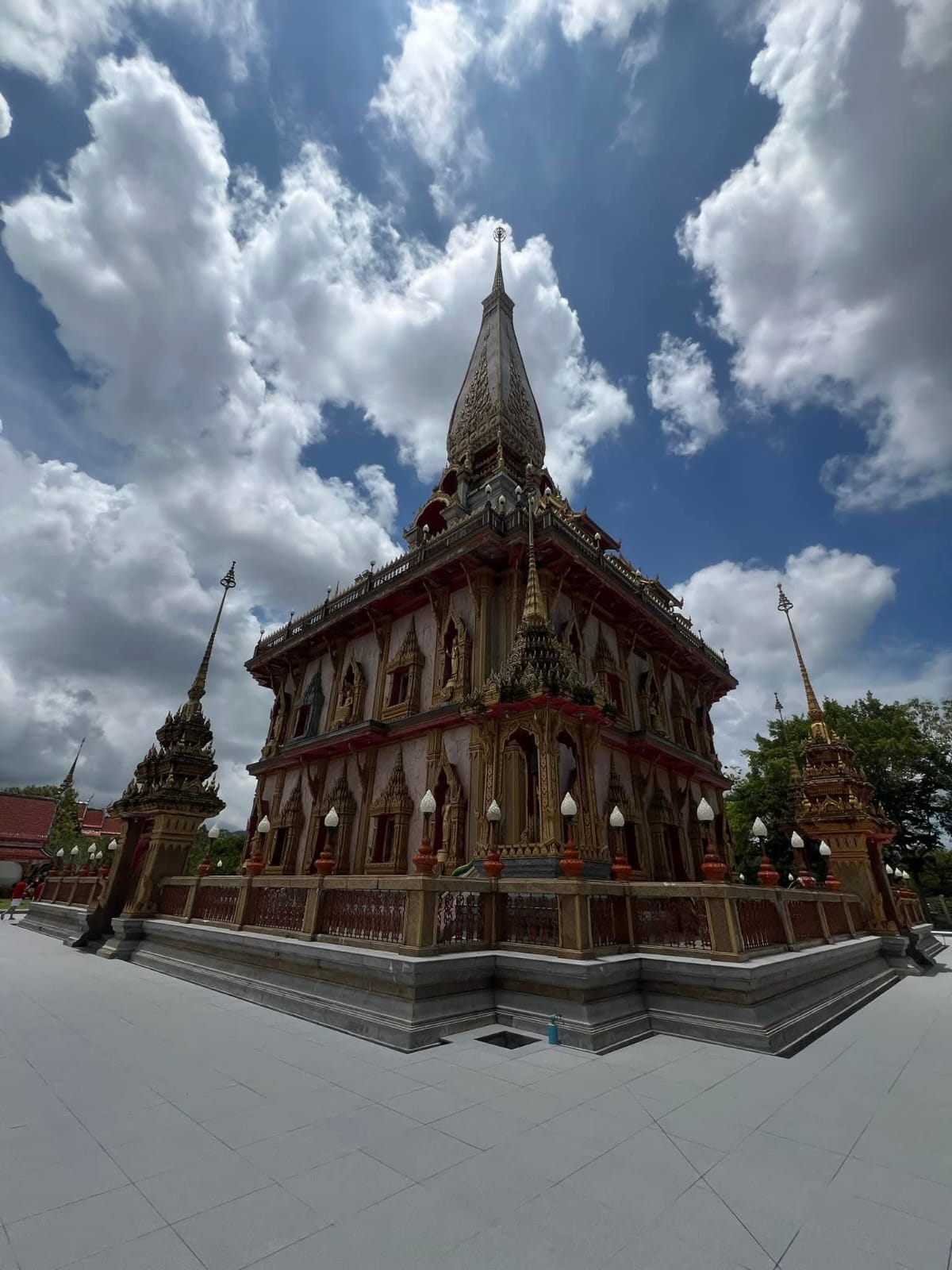
Phuket has a long history as a port and stopover for traders travelling between Arabia and India in the west and China in the east. Phuket was an important trading post in Thailand before the arrival of Europeans. The first Europeans discovered this part of the world in the early 16th century. Phuket has been influenced by Arabs, Indians, Portuguese, French, Dutch and British. There was once a French governor of Phuket with a large British presence in the area around the 18th century until the British almost colonised Phuket in the early 19th century after defeating the Burmese and making it a colony. The British eventually seized Penang instead because of its proximity to the more important Strait of Malacca, making Phuket Island (then called Thalang) part of Siam. This was the beginning of the history of mixed races on the island. People traveling in and out of Phuket for centuries caused a cultural fusion, bringing people, languages and religions from many countries to settle here and continues to this day. Phuket has Buddhist temples, Chinese shrines, Islamic mosques, Catholic churches, Sikh shrines, Hindu shrines and more, indicating that Phuket has been on the map for a long time. Phuket has a prosperous trade and beautiful geography.
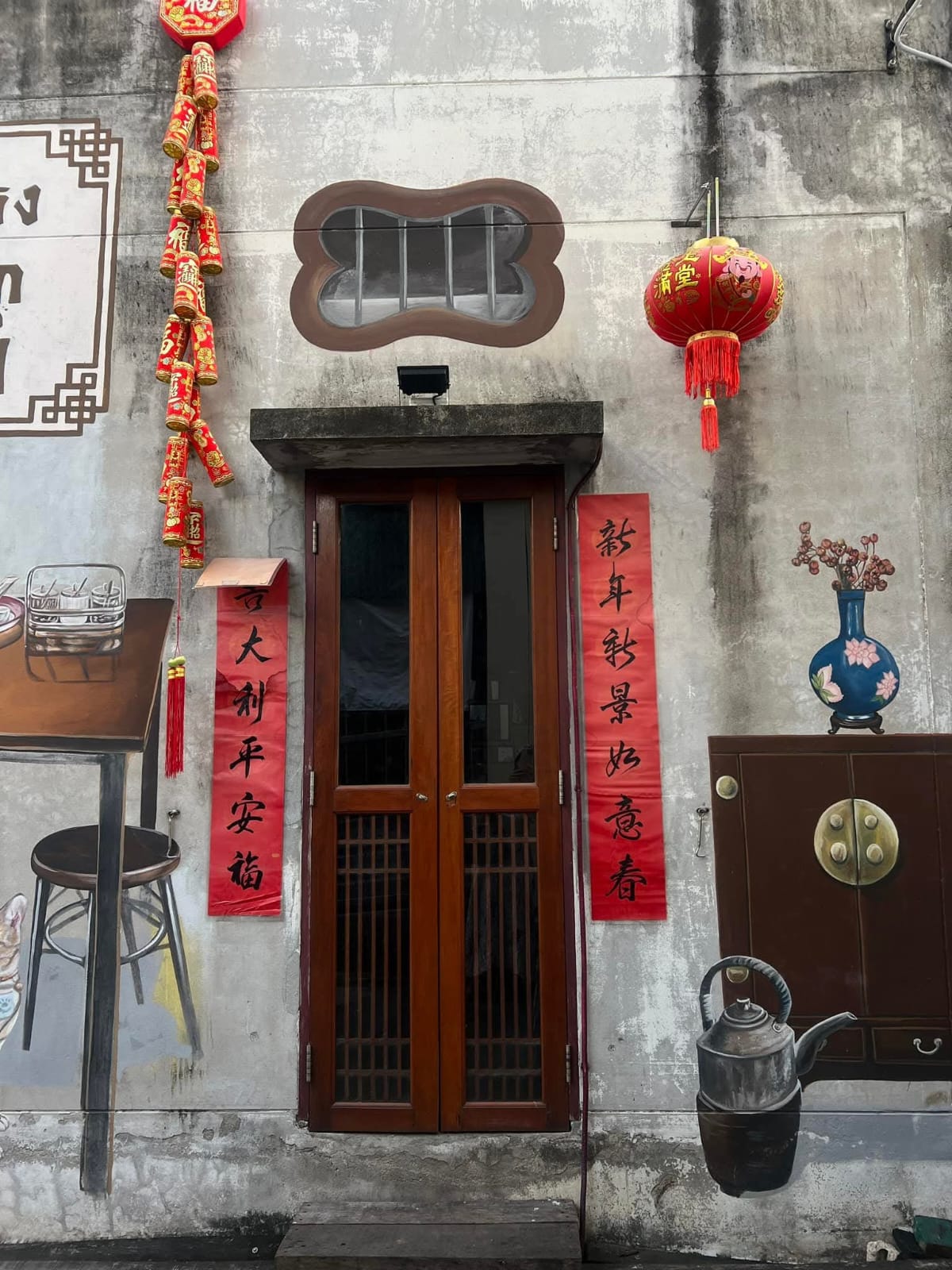
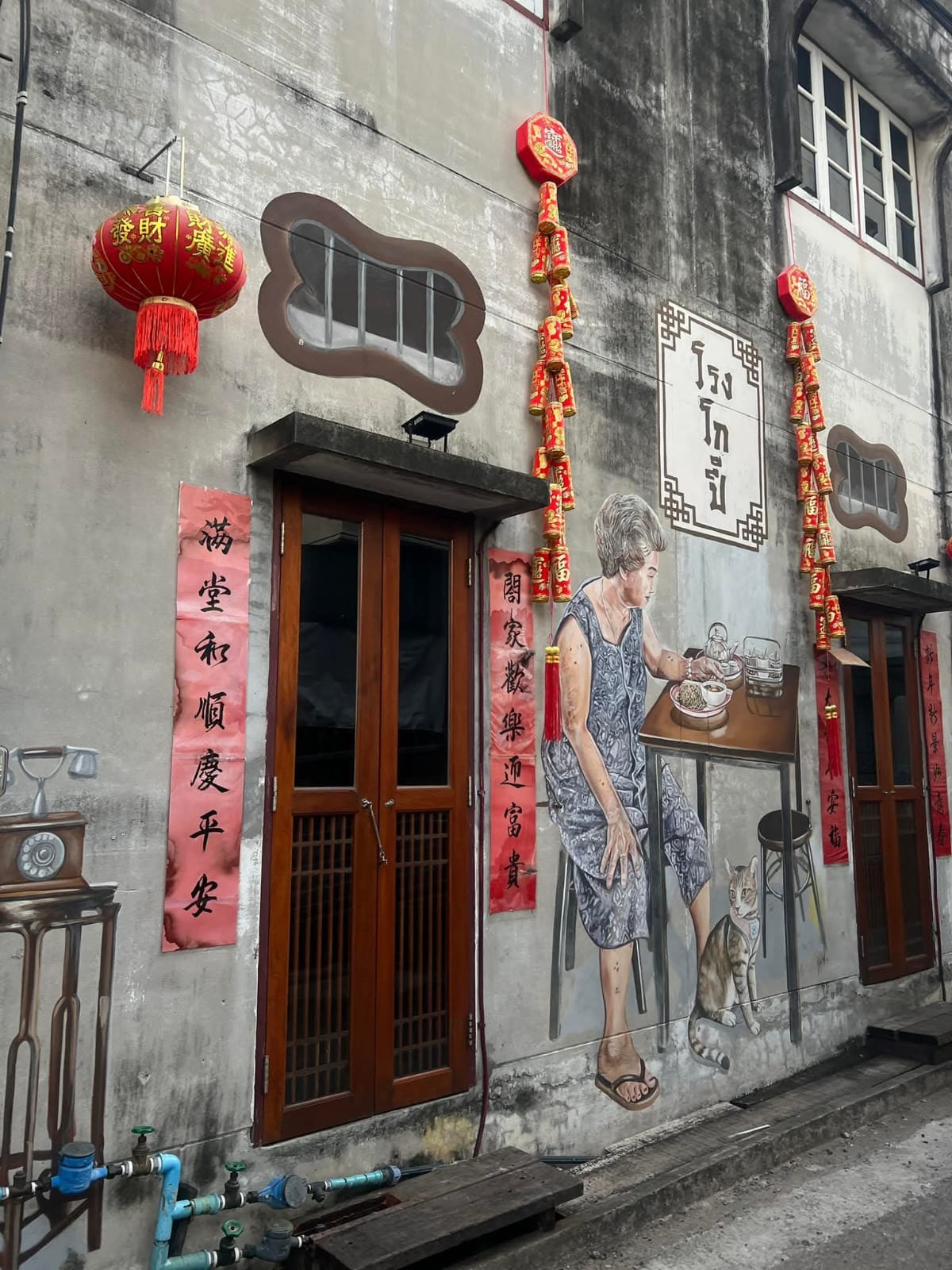
Phuket’s rich tin resources were the driving force behind its economic prosperity and the development of Sino-Portuguese architecture. This was the era when the Baba (Sino-Malay) culture flourished which was characterized by its unique traditions and language.
It has long been a tourist cosmopolitan hotspot before international travellers began to arrive .
After the tin mining era, in the 1970’s tourism began to take off with the construction of numerous beach bungalows that attracted backpackers and travellers
Cultural significance:
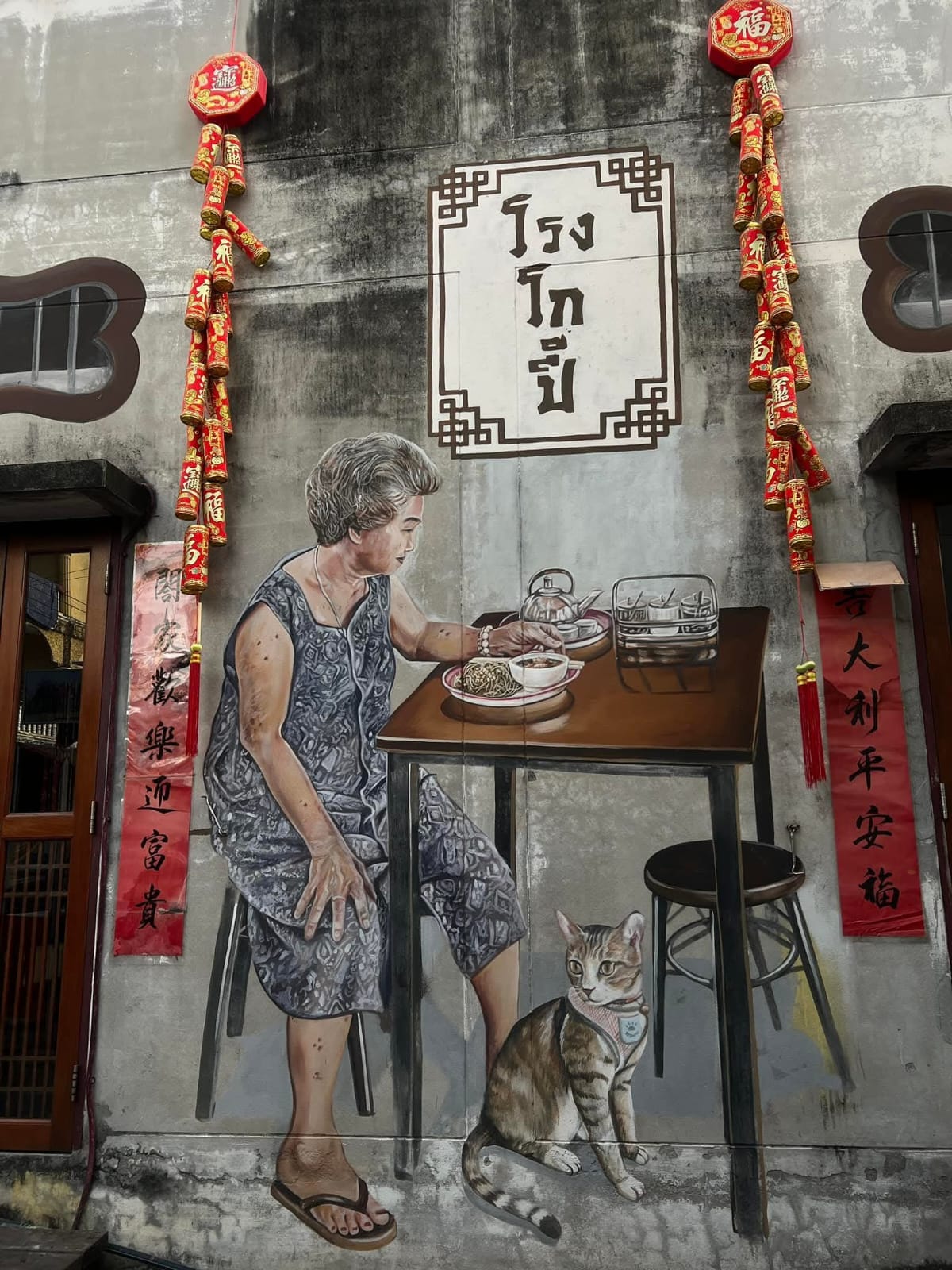
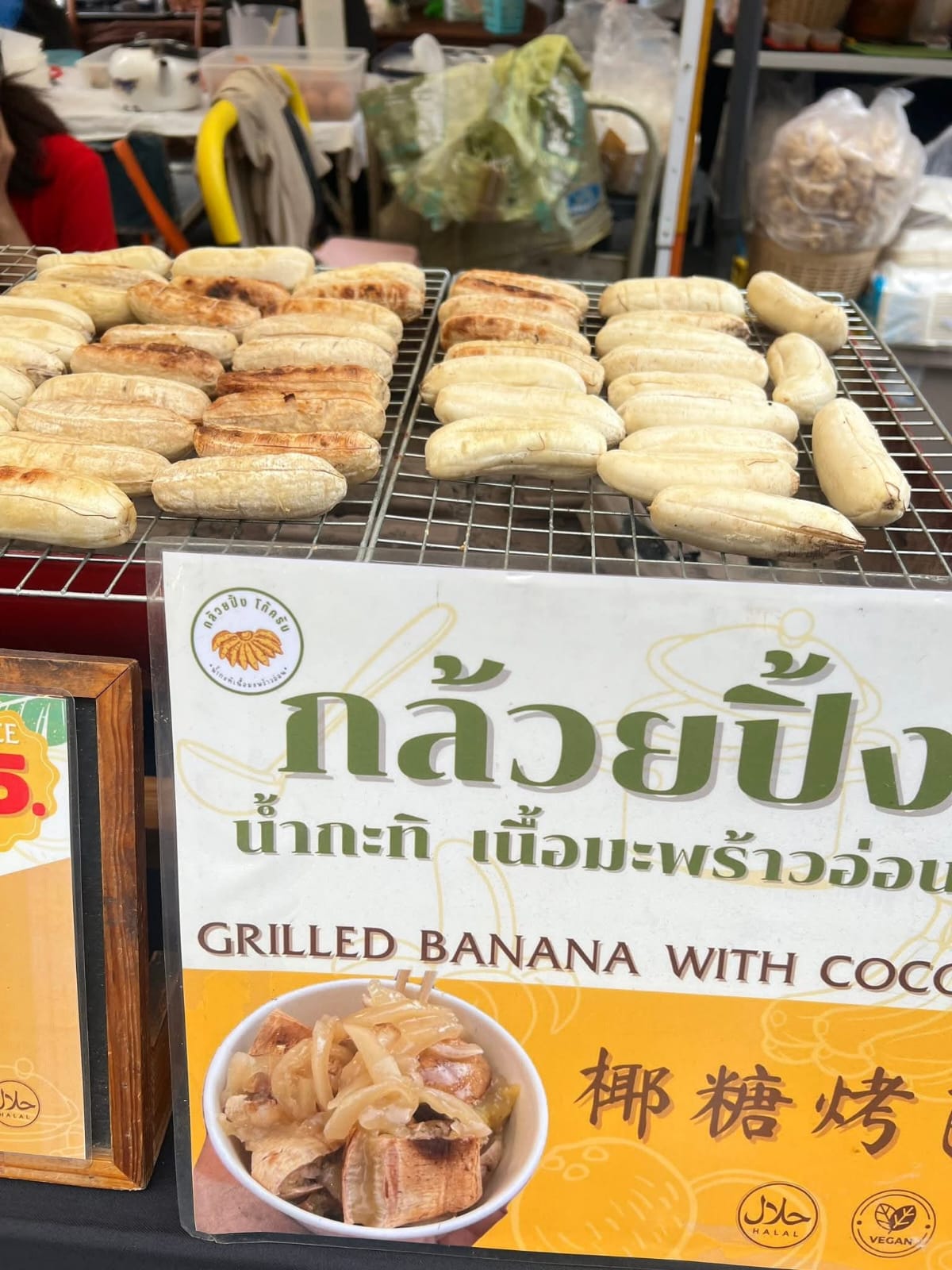
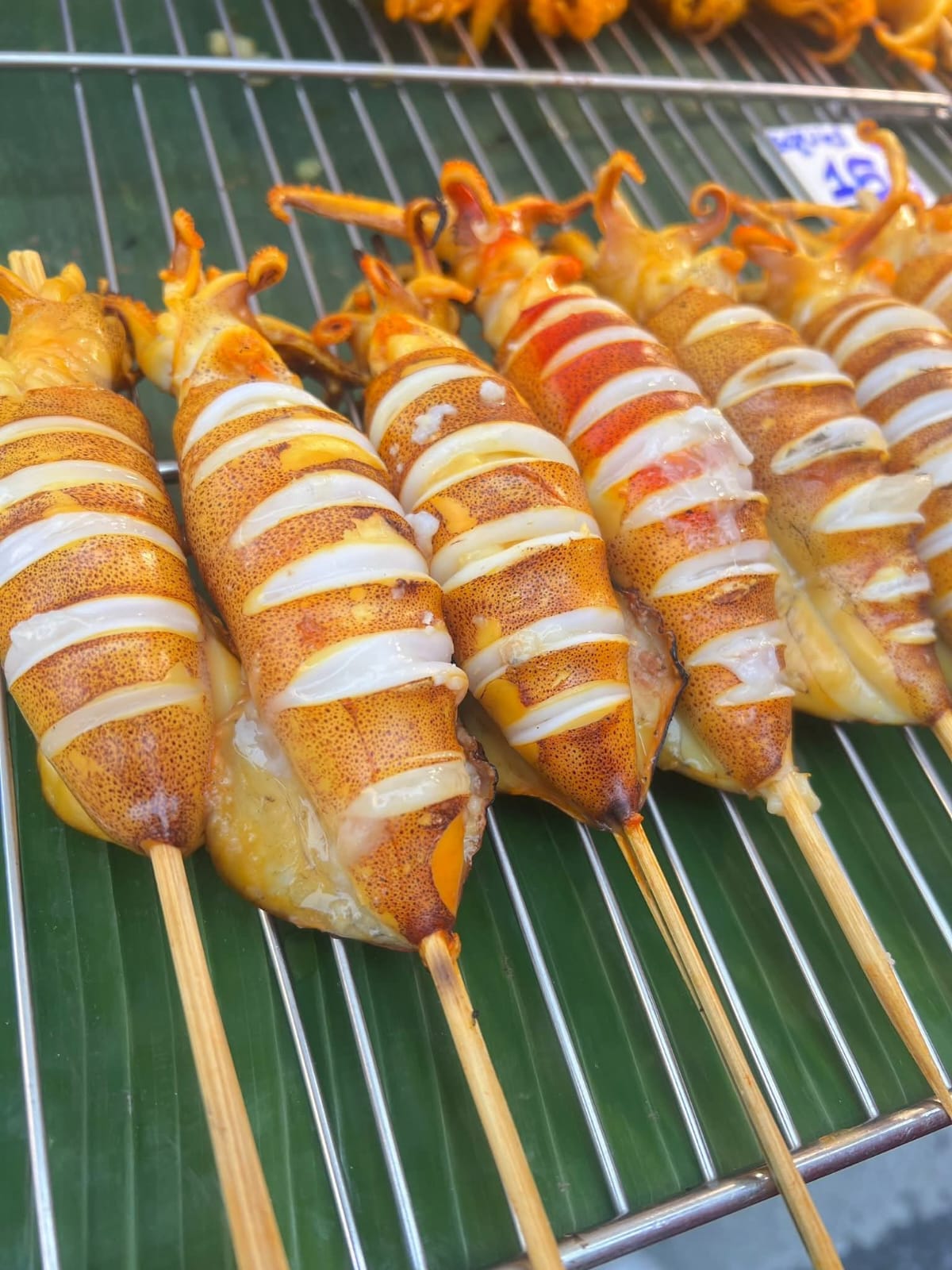
The island’s diverse history has given rise to a unique blend of foreign cultures which is evident in its architecture, houses, art, food, religious traditions, clothing/garment usage, language and other hidden civilizations that have been passed down to their descendants over the centuries.
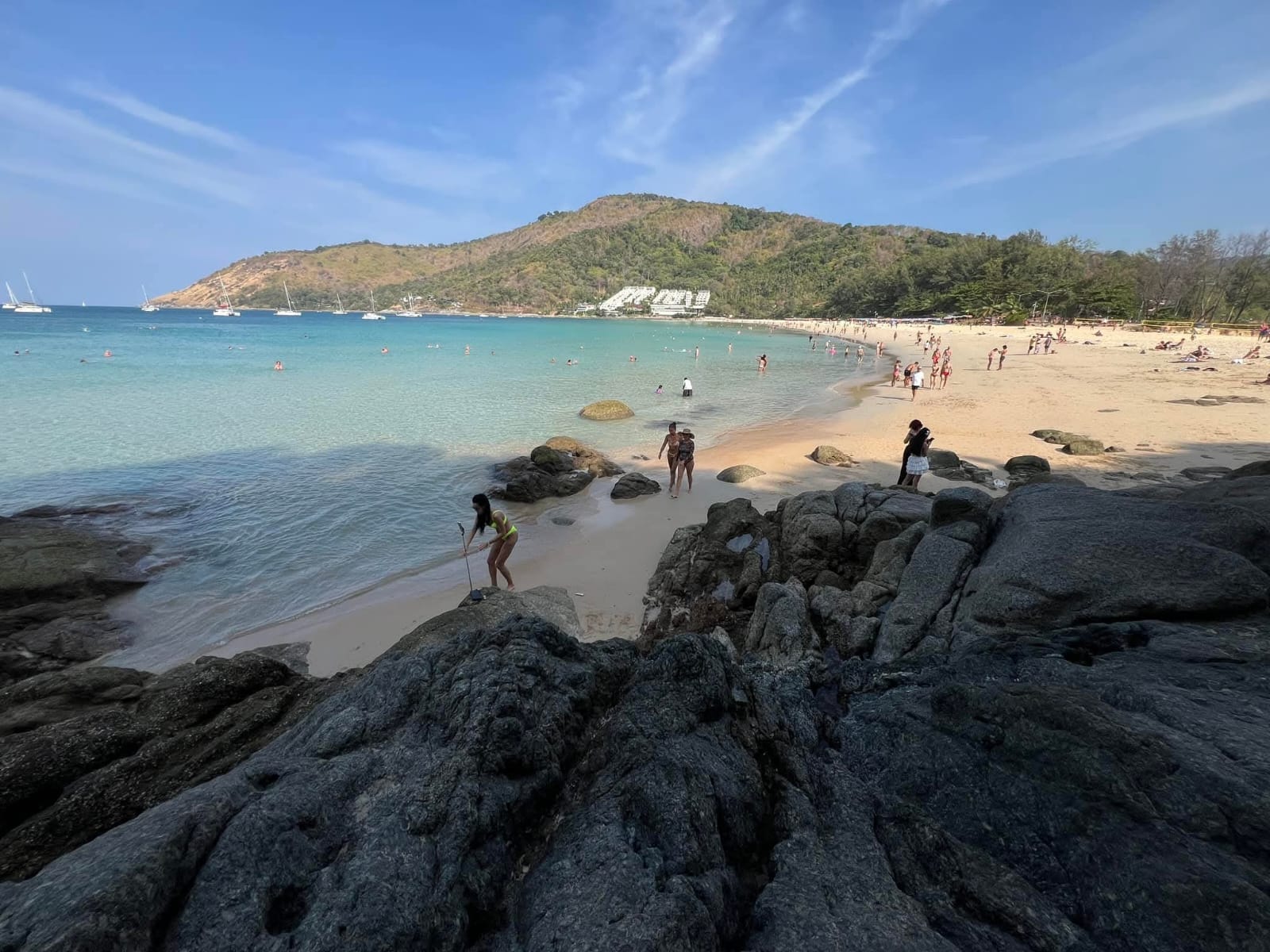
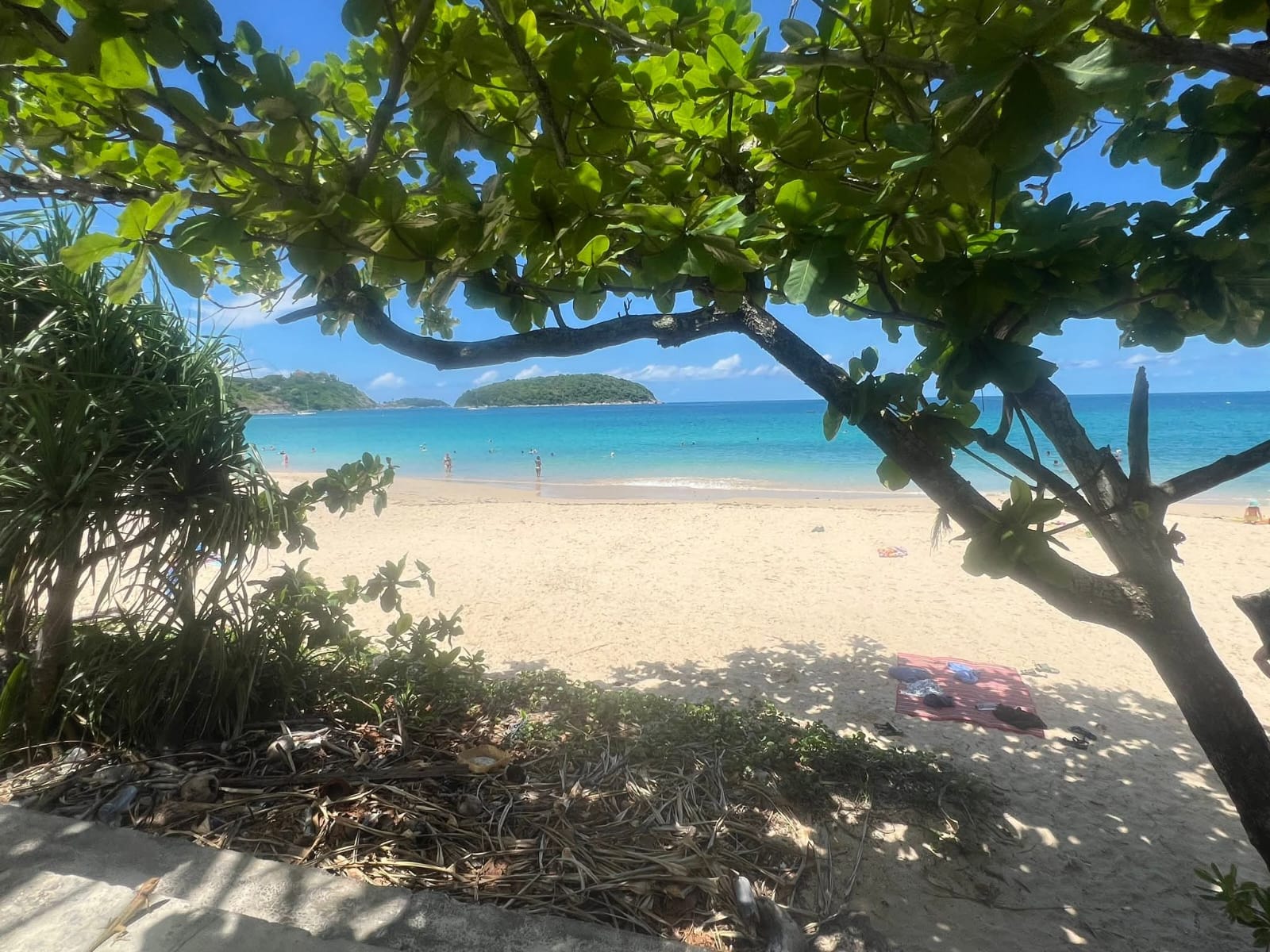
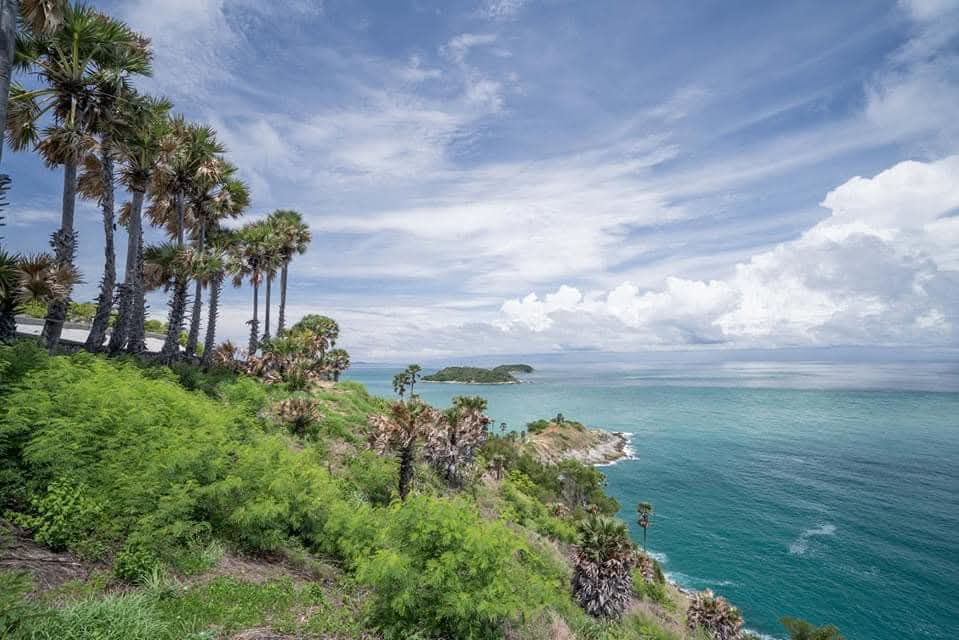
With its stunning geography, beautiful scenery and white powder sand beaches Phuket has presented its natural
charm and its remarkable yet interesting history turning it into the well known attraction of the south of Thailand. Since it’s been called the “Pearl of the Andaman”. Phuket has generated a huge income from tourism for Thailand for over a hundred years.
Popular Experiences on Phuket island: Things to do
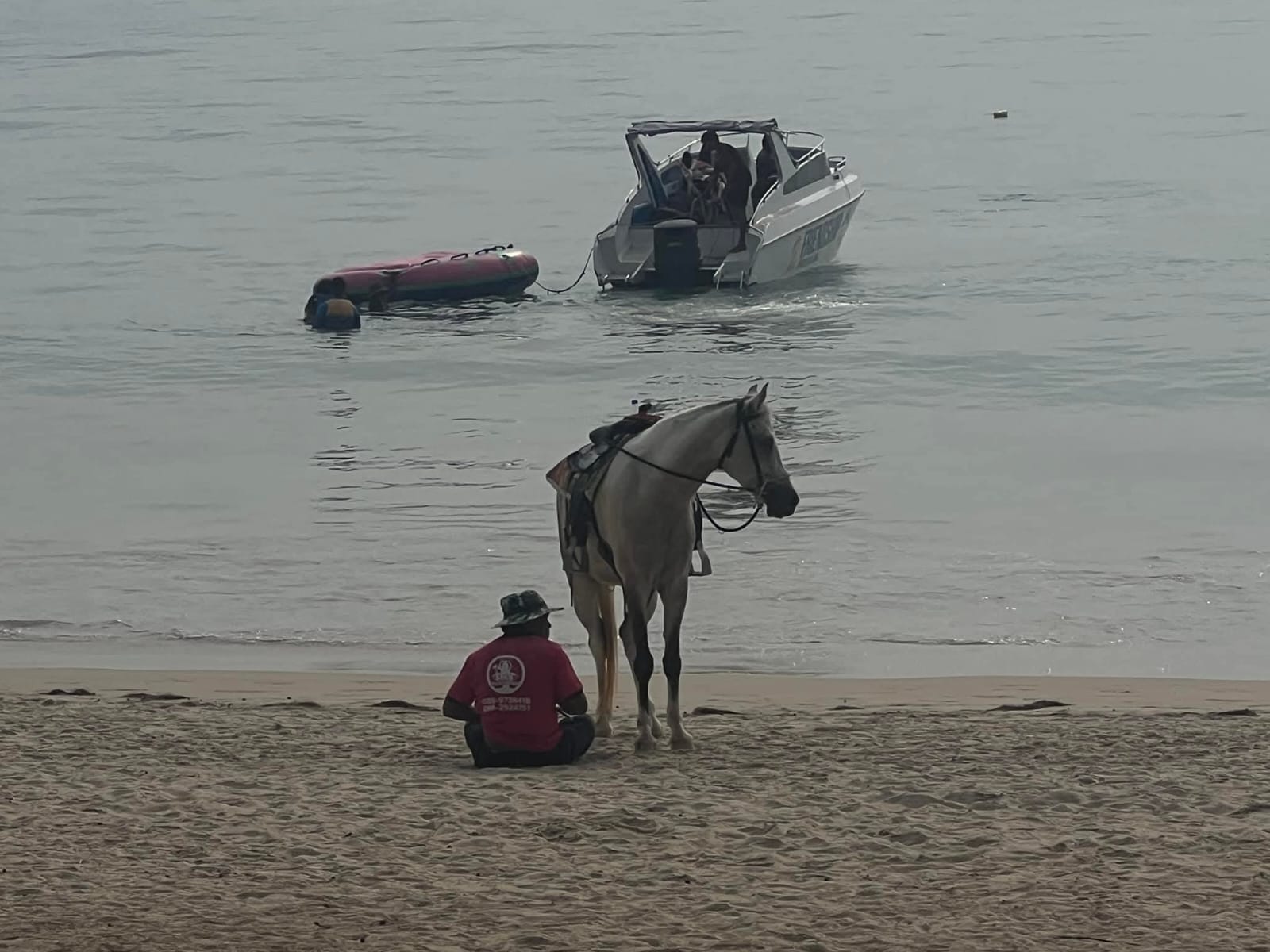
The beaches & National Marine Parks are perfect for Relaxation, swimming, sun bathing, chilling, massages, food/drink, evening entertainment and seaside water sports of all kinds.
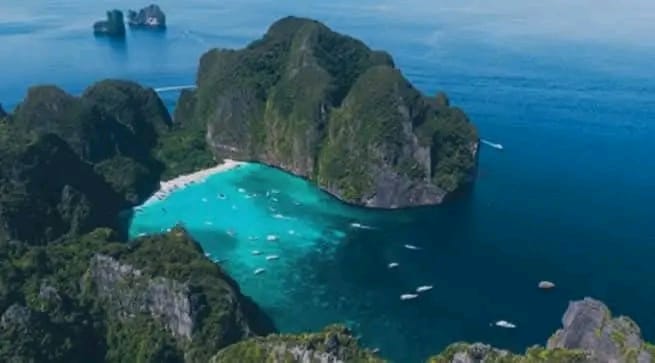
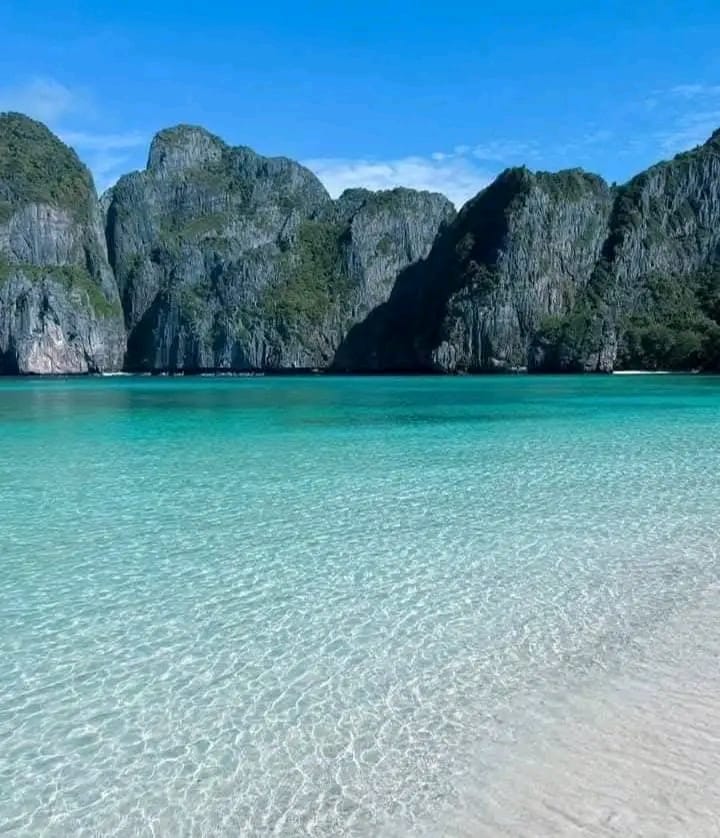
Scuba diving & Snorkeling on the nearby islands world’s famous diving spots include Phi Phi islands, next door to Maya Bay, one of the most beautiful beach and bay. Voted as one of the world’s most beautiful photoshoot spots. The Similan islands also top exclusive underwater world for divers from around the world.
Day trips to many stunning Islands nearby.
Day Cruises, worlds cruises, port of call for international cruises lines across the countries
Half Day Tours private islands excursions
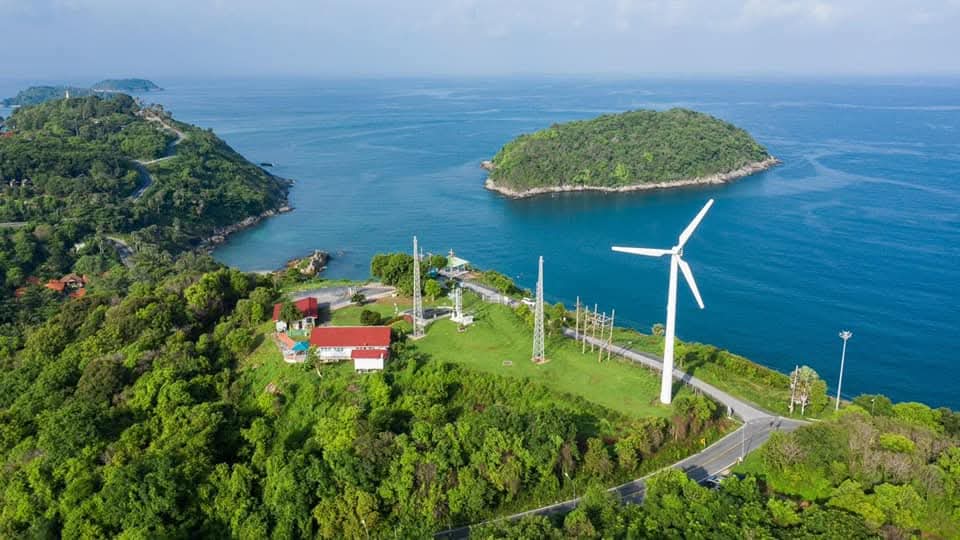
Points of Interest, landmarks and beautiful viewpoints all along the coastline with bays and stunning coves for sightseeing litter the coastline around the whole island.
- Private & Luxury boats, yachts, jet boat rentals and hire of local boats.
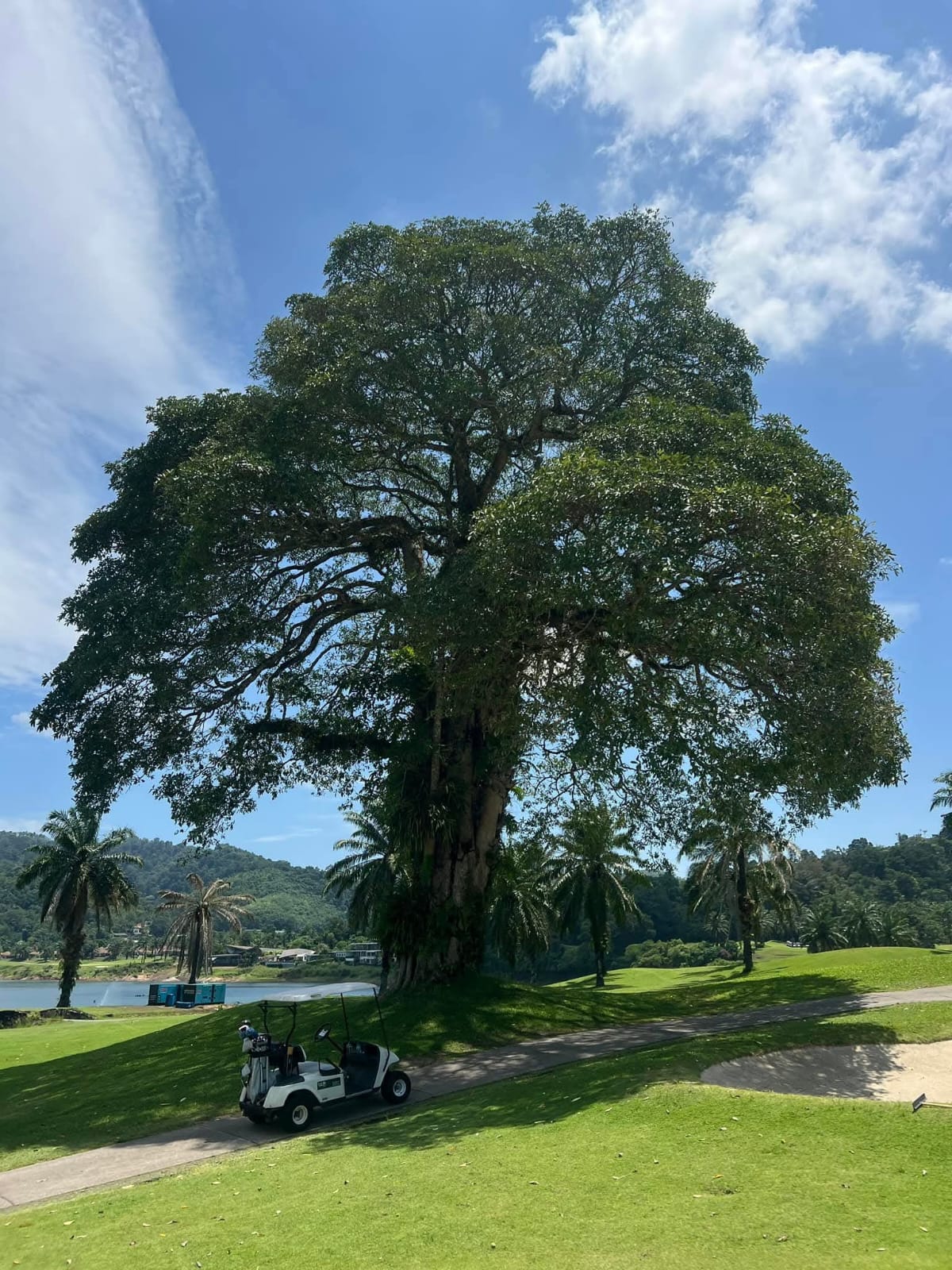
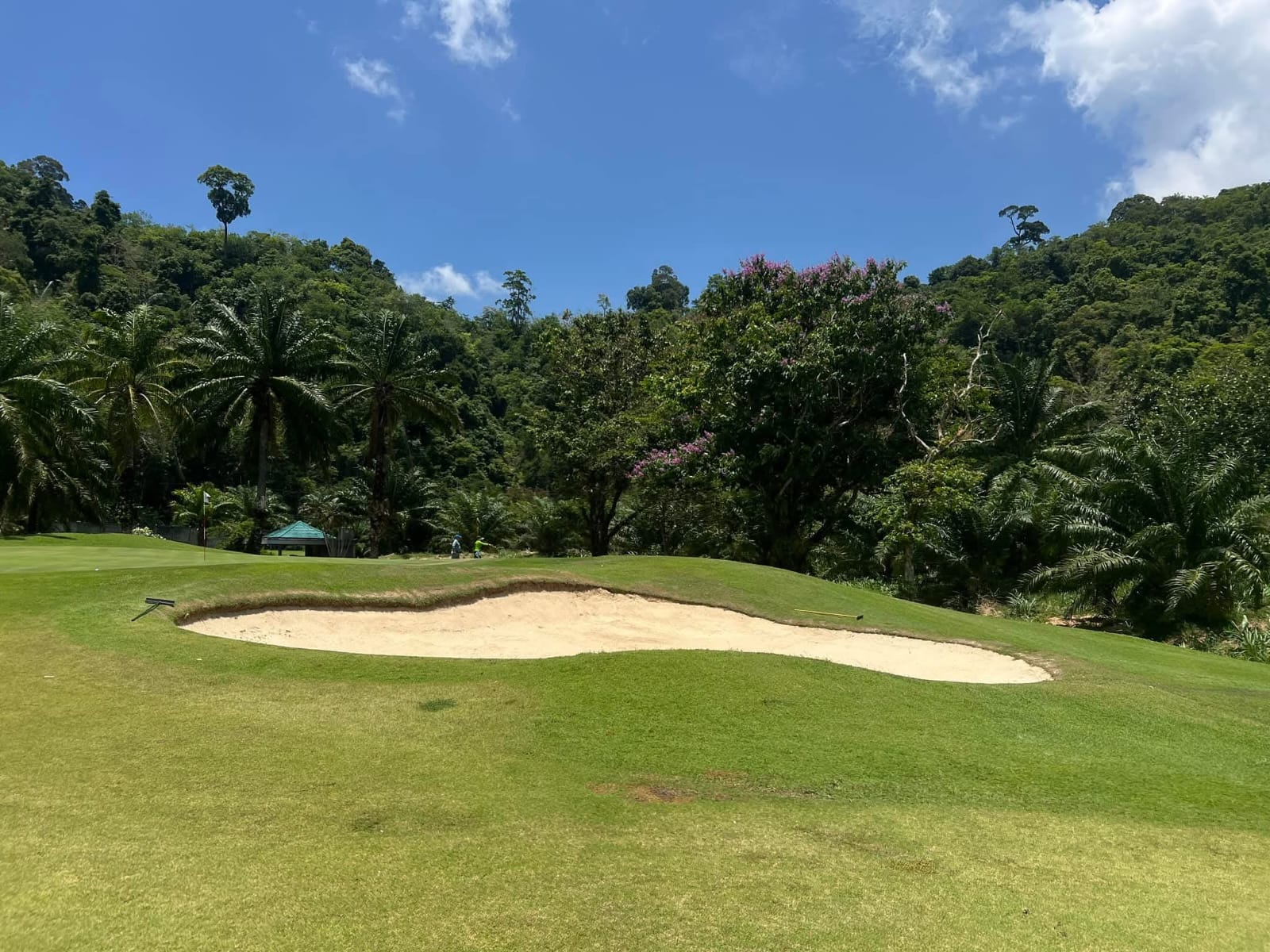
- Golfing & modern golf courses plus driving ranges in easy access area
- Amusement Parks & Water Sports.
- Extreme Sports including bungee jumping and zip lining.
- Safaris, nature & wildlife areas including elephant sanctuaries.
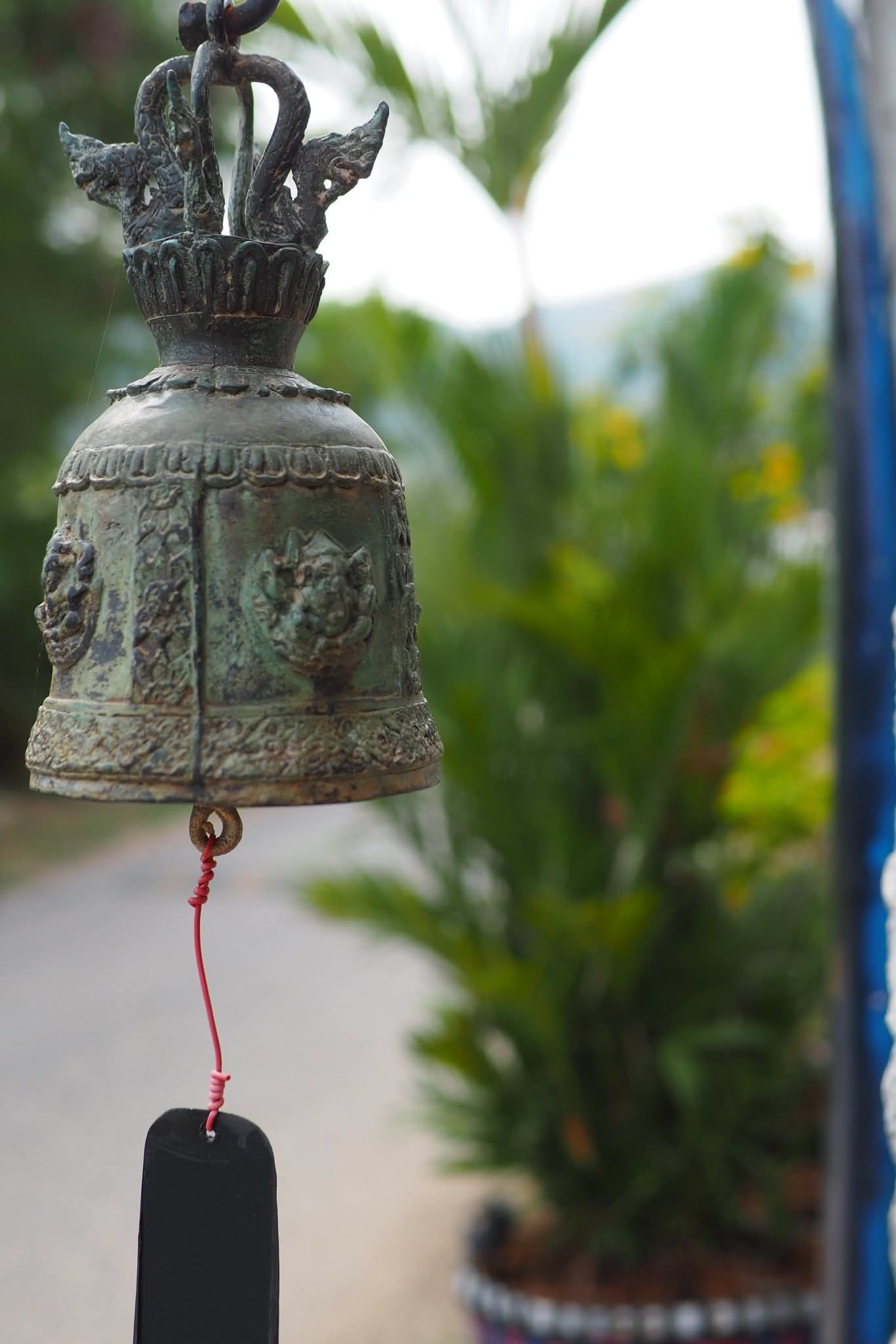
- Cultural tours, temples, old town, markets, sea gipsies and local villages and floating restaurants.
- Nightlife & entertainment showcases a variety of shows including classical dances, performances by locals,
- fire shows and many more to enjoy.